Thinking about buying a prewar home in Washington Heights? You are not alone. Many buyers are drawn to the neighborhood’s larger room sizes, classic details, and strong sense of architectural history, but shopping here takes more than falling in love with a lobby or a river view. If you want to buy with more confidence, it helps to understand how Washington Heights’ building stock, micro-markets, and due diligence process can shape your search. Let’s dive in.
Why Washington Heights Stands Out
Washington Heights runs roughly from 155th Street to Dyckman Street, between the Hudson and East Rivers. Its identity is closely tied to early 20th-century apartment development, especially after the 1 train reached 157th Street in 1904 and the A train opened in 1932. That history is a big reason the neighborhood still has such a deep bench of prewar housing today.
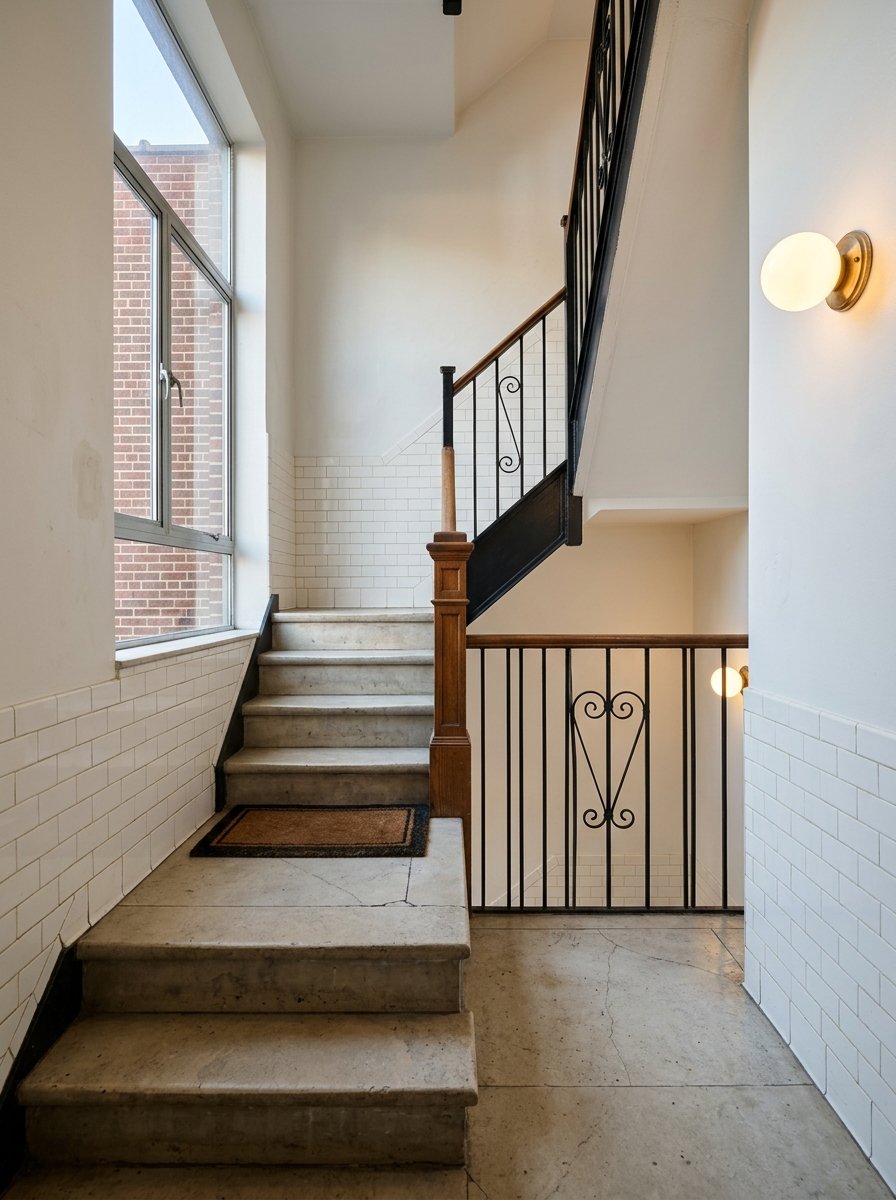
For many buyers, the appeal is straightforward: larger layouts, established apartment houses, and architecture with more personality than you often find in newer inventory. Washington Heights is also one of Manhattan’s hilliest neighborhoods, with abundant parkland and access to Fort Tryon Park, which NYC Parks lists at 67.21 acres and home to The Cloisters. In practical terms, that means your home search here is often as much about block-by-block setting as it is about square footage.
Prewar Shopping Is a Micro-Market Search
One of the biggest mistakes buyers make is treating Washington Heights like one uniform market. In reality, the neighborhood behaves more like a collection of micro-markets, and that matters when you compare value, building type, and day-to-day experience.
Hudson Heights is a strong example. StreetEasy identifies it as stretching north from 173rd Street to Fort Tryon Park, with many Art Deco prewar apartment houses, plus some neo-classical and collegiate gothic influences. If you are focused on park-adjacent prewar stock, the northwest section near Fort Tryon Park may offer a very different feel and housing mix than other parts of Washington Heights.
That difference can affect more than style. It can shape price expectations, building quality, and how competitive a specific listing feels when it hits the market.
What Prewar Buyers Should Look For
In Washington Heights, charm should never replace diligence. Older buildings can be wonderful places to live, but they also require careful review before you make an offer or move forward with a contract.
According to the New York State Attorney General, buyers should review the full offering plan when one exists and consult an attorney before signing. For older or converted buildings, the physical review should include key systems and conditions such as:
- Façade condition
- Roof condition
- Flooring
- Appliances
- Elevators
- Heating and cooling systems
- Windows
- Electrical wiring
- Plumbing
- Sub-soil conditions
Those items are not just technical details. They can directly affect your future costs, timing, and renovation options.
Focus on Building Records, Not Just the Apartment
A beautiful unit can still sit inside a building with costly unresolved issues. That is why prewar buying in Washington Heights is often a building-first exercise.
The Attorney General specifically notes that board minutes, financial reports, and violation records can reveal deferred maintenance. Expensive line items often include façade work, roof and elevator repairs, plumbing replacement, electrical upgrades, and boiler replacement. If you are evaluating two similar apartments, the building with clearer records and a better-understood repair history may be the stronger long-term choice.
This is especially important in co-ops, where your monthly carrying costs and future assessments are tied to the building’s overall health, not just your individual apartment.
Understand the Co-op Structure
Many Washington Heights prewar homes are co-ops, and that structure changes how you evaluate a purchase. In a co-op, you are buying shares in a corporation that are allocated to a specific apartment, and those shares give you a proprietary lease.
That means the asking price is only one part of the story. You also need to understand maintenance charges, board rules, and any resale restrictions. A lower purchase price can look less attractive if the building has high monthly costs or policies that limit flexibility later.
Hills and Walk-Ups Matter More Than You Think
Washington Heights’ terrain is part of its identity, but it also has real lifestyle implications. StreetEasy notes that many streets rely on step stairs to handle steep inclines, which can make a daily routine very different from what you might expect elsewhere in Manhattan.
If you are considering a walk-up, think through the practical side early. Ask yourself how comfortable you are with stairs every day, how moving day might work, and whether package delivery or grocery trips could become frustrating over time. What feels charming on a first showing can feel very different after a long workday.
HDFC Co-ops Need Extra Review
If you are shopping at a lower price point, you may come across HDFC co-ops. These can be important opportunities in New York City, but they require very careful due diligence.
HPD says HDFC co-ops are incorporated under Article XI and supervised by HPD. In exchange for reduced property taxes, they typically operate with income restrictions and resale restrictions. HPD also notes that many HDFCs limit subletting, often require owner-occupancy, and may impose flip taxes that help fund capital repairs and other building needs.
The key takeaway is simple: do not assume one HDFC works like another. HPD recommends reviewing the governing documents carefully because the most restrictive rule controls, and consulting a lawyer is strongly advised.
Landmark Rules Can Affect Renovations
Some buyers are drawn to Washington Heights precisely because of its historic character. That can be a major plus, but if you plan to renovate, you need to know whether landmark rules apply.
The Landmarks Preservation Commission regulates changes to designated landmark properties and work in historic districts. Permits are required before work that affects the exterior and, in some cases, the interior of designated properties. In Washington Heights, examples include the Audubon Terrace Historic District and the Jumel Terrace Historic District.
If you are buying with renovation plans in mind, permit review should be part of your early diligence. A layout idea that seems simple may involve more process than expected when landmark rules apply.
Façade History Is a Big Deal
For taller prewar elevator buildings, façade compliance should be part of your underwriting checklist. The NYC Department of Buildings says buildings higher than six stories must have their exterior walls and appurtenances inspected every five years.
If unsafe conditions are found, they must be repaired within 90 days of the filed report. That is why recent façade work, open sidewalk sheds, and inspection history matter so much in a Washington Heights building review. These details can affect near-term building costs and your day-to-day living experience.
Pricing Context for Washington Heights
Washington Heights offers an important value conversation for Manhattan buyers. StreetEasy currently shows a median sale price of $507K for Washington Heights, compared with $519K in Hudson Heights, $425K in Inwood, and $750K in Harlem.
StreetEasy also reports a median 52 days on market in Washington Heights, with the same median in Inwood. That suggests you should not think only in terms of speed. In this part of Manhattan, building quality, paperwork, and diligence often matter more than reacting fast without enough review.
A Smarter Offer Strategy
When you find the right apartment, your offer strategy should follow the paper trail. For sponsor sales, the New York State Attorney General says the offering plan controls, and verbal promises do not count unless they are written into the documents.
For resale purchases, there may be no current offering plan at all, and the sale is not regulated by the Attorney General in the same way. In that case, it is smart to ask for known defects in writing, review the most recent board minutes and financials, and make sure any repair agreement or punch-list item is documented before closing.
In other words, a strong offer in Washington Heights is not just competitive on price. It is informed, documented, and aligned with the building’s reality.
Your Washington Heights Prewar Checklist
If you want a simple framework, focus on these questions as you shop:
- Is this block and building in the part of Washington Heights that fits your daily routine?
- Are the building financials and board minutes clear and current?
- Has the building handled major repairs like façade, roof, elevator, boiler, plumbing, or electrical work?
- Is the home a standard co-op, condo, or HDFC co-op with added restrictions?
- Are there landmark or historic-district rules that could affect future work?
- If it is a walk-up, does the hill and stair setup still feel workable long term?
- Are all seller representations and repair commitments documented in writing?
This is where experienced guidance can make a real difference. In a neighborhood with so much prewar character, the best opportunities are often the homes where beauty and paperwork line up.
If you are considering a prewar purchase in Washington Heights, having an advisor who can help you compare buildings, spot red flags, and organize due diligence can make the process feel much more manageable. When you are ready to plan your search, connect with Howard Hannah NYC (Elegran) for clear, thoughtful guidance.
FAQs
What makes prewar homes in Washington Heights appealing to buyers?
- Many buyers are drawn to larger layouts, classic architectural details, and the neighborhood’s deep supply of prewar apartment buildings near parks and established streetscapes.
What should you inspect when buying a prewar co-op or condo in Washington Heights?
- You should review the apartment and the building as a whole, including the façade, roof, elevators, windows, plumbing, electrical systems, heating, cooling, and building records such as board minutes and financials.
What is important to know about co-ops in Washington Heights?
- In a co-op, you buy shares in a corporation tied to an apartment, so monthly maintenance, board rules, and resale restrictions can be just as important as the purchase price.
What are HDFC co-ops in Washington Heights?
- HDFC co-ops are income-restricted, owner-focused cooperative buildings supervised by HPD that may also include resale limits, subletting restrictions, and flip taxes, so the governing documents need close review.
How do landmark rules affect Washington Heights prewar homes?
- If a property is designated or located in a historic district, certain exterior changes and some interior work may require Landmarks Preservation Commission review and permits.
Why do hills and walk-ups matter when shopping in Washington Heights?
- Because Washington Heights has steep blocks and many step streets, buyers should think carefully about daily stair use, elevator access, moving logistics, and long-term convenience.
How should you approach an offer on a Washington Heights prewar apartment?
- A strong approach is to base your offer on documented building and apartment information, ask for known issues in writing, and confirm that any repair or punch-list promises are included in the deal documents.