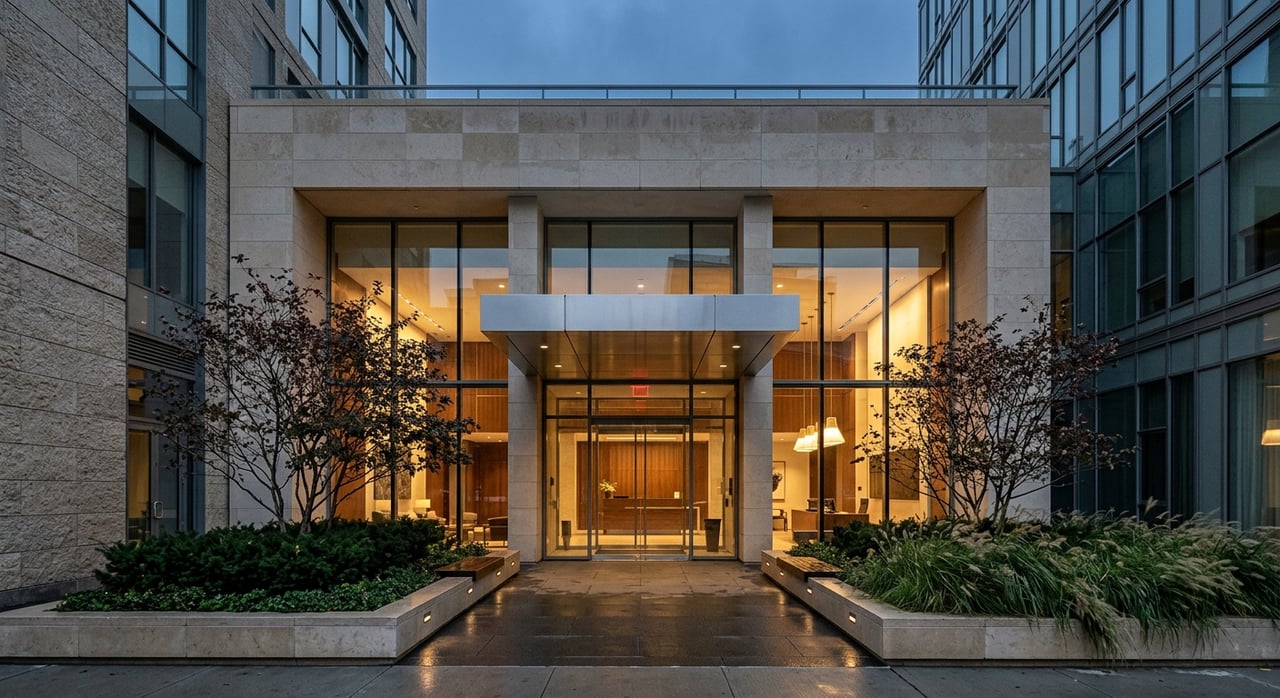
Wondering if buying a condo in Battery Park City is simpler because the neighborhood feels so polished and planned? In reality, this is one of those Manhattan markets where the details matter a lot. If you understand how the neighborhood is built, how ownership works, and what affects monthly costs, you can make a much more confident decision. Let’s dive in.
Why Battery Park City Feels Different
Battery Park City is not just another Lower Manhattan neighborhood. It is a 92-acre, state-created community on the southwestern tip of Manhattan, built on landfill created from excavation and dredging tied to major infrastructure work.
Today, the area includes more than 16,000 residents, more than 45,000 workers, and 36 acres of parks and public open space. That park-forward design is not accidental. Roughly one-third of the original master plan was set aside for public parks, which still shapes how the neighborhood lives and feels.
For you as a buyer, that means Battery Park City offers a distinct mix of waterfront access, open space, and residential calm that can feel very different from other condo markets in Manhattan. It also means you should evaluate each building in the context of the neighborhood’s planned structure, not just the apartment itself.
Understand the Condo Inventory
Battery Park City has a relatively contained residential inventory. According to the Battery Park City Authority, the neighborhood includes 30 residential buildings, with 18 condominiums and 12 rentals.
That may sound straightforward, but the housing stock spans several eras. Some buildings date to the mid-1980s, while others were completed in 2000, the early 2000s, and the 2010s. In practical terms, that creates meaningful differences in layouts, building systems, finishes, and amenity packages.
Older Buildings vs Newer Towers
Older condo buildings may offer different room proportions, window lines, and renovation histories than later developments. A building completed in the 1980s can operate very differently from one built in 2006 or 2011, even if both are in the same few blocks.
Newer buildings in Battery Park City also tend to reflect the neighborhood’s sustainability focus. BPCA issued Residential Environmental Guidelines in 2000, and the area has a long-standing emphasis on lower energy and water use, improved air quality, and resilient design. That helps explain why newer properties often highlight greener systems and health-oriented features.
Why Building Age Matters
When you compare condos here, building age is not just about style. It can affect:
- Mechanical systems and infrastructure
- Amenity offerings
- Interior finishes and renovation needs
- Monthly operating costs
- Future resale positioning
This is one reason a building-specific review matters so much in Battery Park City. Two condos with similar square footage can come with very different ownership experiences.
Know the Leasehold Structure
One of the most important things to understand is that Battery Park City is not a standard fee-simple condo market. The land is owned by BPCA, and property owners do not own the land beneath their buildings.
Instead, the neighborhood operates through a master ground lease structure described in public materials as a 99.5-year arrangement expiring on June 18, 2069. No individual ground lease can extend beyond that date.
For many buyers, this is the single biggest concept to get clear on before making an offer. You are not just evaluating a condo unit and a building. You are also evaluating how the building’s leasehold terms affect cost, predictability, and resale appeal.
What This Can Mean for You
In Battery Park City, your monthly carrying costs may include more than the usual mortgage payment and common charges. Depending on the building, your budget can also involve:
- BPCA ground rent
- PILOT charges
- Parking fees
- Storage fees
- Utilities
- Special assessments or reserve contributions
That is why comparing only purchase price can be misleading. A condo that looks more affordable upfront may carry meaningfully higher monthly ownership costs once all building and land-lease-related items are included.
Ask About Lease Amendments and Resets
Lease history is another major part of due diligence here. BPCA has stated that it eliminated several lease resets for 13 condo buildings, saving nearly $280 million in what it described as unreasonable increases.
That history matters because not every building has the same lease profile. If you are considering a purchase, you should ask whether the building has already negotiated lease amendments, whether any resets remain outstanding, and how those terms may affect both current expenses and future marketability.
This is one of those details that can easily get overlooked if you are focused only on finishes, views, or amenities. In Battery Park City, lease terms are part of the value story.
Look Closely at Views and Exposure
Battery Park City’s lifestyle appeal is strongly tied to its waterfront setting. The Esplanade runs along the Hudson River from Stuyvesant High School to Historic Battery Park, and the neighborhood also includes North Cove Marina and extensive public open space.
If you are shopping here, it helps to be precise about what a unit actually faces. Waterfront-facing, park-facing, courtyard-facing, and street-facing homes can offer very different experiences.
Exposure Can Change Daily Living
A condo’s orientation may affect:
- Natural light
- Privacy
- Ambient noise
- View quality
- Long-term enjoyment of the space
A listing may mention river views or park access, but the best question is how the specific apartment lives day to day. In a neighborhood where the public realm is a major draw, exposure is not a small detail.
Factor in Resiliency Projects
Battery Park City’s waterfront location is a lifestyle advantage, but it also brings ongoing resiliency work. BPCA is advancing both the North/West Battery Park City Resiliency Project and the South Battery Park City Resiliency Project to help protect the neighborhood from coastal flood risk and stronger storms.
BPCA’s 2025 annual reporting also notes bond proceeds used for resiliency-related capital work, including pile and seawall remediation and community-center waterproofing. For a buyer, this means resiliency is not an abstract topic. It is part of the neighborhood’s present and future.
What to Ask Before You Buy
You should ask whether nearby projects could affect:
- Construction activity
- Access along the Esplanade or surrounding paths
- Landscaping or open-space layout
- Temporary disruptions
- Future sightlines or views
These projects are part of long-term neighborhood planning, but they can still influence your near-term living experience depending on the building and line you choose.
Think Beyond Amenities
Battery Park City often attracts buyers who want more than just an apartment. The neighborhood functions as a managed community with an unusually active public realm. BPCA reported 853 free programs and special events in Fiscal 2024, with attendance above 36,808.
That can add real value if you want a setting with year-round activity tied to parks and public space. At the same time, it is still worth asking which building amenities you will truly use day to day.
A polished amenity package can look impressive, but practical fit matters more. A building with the right layout, predictable carrying costs, and a location that suits your routine may serve you better than one with extras you rarely use.
Use Today’s Market to Compare Carefully
As of March 2026, Realtor.com classifies Battery Park City as a buyer’s market. The neighborhood had homes selling about 4.17% below asking on average, with median days on market of 37.
That does not predict what will happen with any single unit, but it does suggest you may have room to compare options carefully. In a neighborhood where leasehold terms, building age, exposure, and resiliency planning can vary so much, that extra breathing room is valuable.
This is a market where careful comparison can pay off. Rather than rushing toward the most visually appealing listing, it often makes sense to weigh building-by-building tradeoffs in a structured way.
A Smart Battery Park City Buying Checklist
If you are considering a condo in Battery Park City, keep this checklist handy:
- What is the full monthly carrying cost?
- How much is common charges versus BPCA rent or PILOT?
- What is the building’s age and capital history?
- What is the reserve position of the building?
- Have lease amendments already been negotiated?
- Are any lease resets still outstanding?
- Are there nearby resiliency projects that may affect living conditions?
- Which amenities will you realistically use?
- What are the sublet rules?
- What are the renovation rules?
- Are parking and storage available, and what do they cost?
In Battery Park City, good due diligence usually means asking more questions, not fewer. The goal is to understand the full ownership picture before you commit.
Why Guidance Matters Here
Buying a condo in Battery Park City can be rewarding, but it is rarely a plug-and-play decision. You are weighing location, building era, leasehold structure, monthly costs, and future neighborhood planning all at once.
That is exactly where a process-led advisor can help. When you have a clear framework for comparing buildings, line layouts, and carrying costs, the search becomes less overwhelming and more strategic.
If you are exploring Battery Park City and want thoughtful guidance on how to compare condos, monthly costs, and building-specific tradeoffs, Howard Hannah NYC (Elegran) can help you navigate the process with clear, NYC-specific advice.
FAQs
What makes buying a condo in Battery Park City different from other Manhattan neighborhoods?
- Battery Park City is a leasehold neighborhood where BPCA owns the land, so condo ownership here can involve ground rent, PILOT, and building-specific lease terms in addition to typical common charges.
What monthly costs should you review when buying a Battery Park City condo?
- You should review the full carrying cost, including mortgage, common charges, BPCA ground rent or PILOT, utilities, parking, storage, and any special assessments or reserve contributions.
Why does building age matter when buying a Battery Park City condo?
- The neighborhood’s condos were built across several decades, so age can affect layouts, systems, finishes, amenities, and how a building may compare on costs and resale appeal.
How do waterfront and park views affect a Battery Park City condo purchase?
- A unit’s exposure can influence light, privacy, noise, and view quality, so it is important to confirm whether the apartment is truly waterfront-facing, park-facing, courtyard-facing, or street-facing.
What should you ask about resiliency projects in Battery Park City?
- You should ask whether nearby resiliency work may affect access, construction conditions, landscaping, or future sightlines, since ongoing coastal protection projects are part of the neighborhood’s long-term planning.
Is Battery Park City a buyer’s market right now?
- As of March 2026, neighborhood-level data from Realtor.com classifies Battery Park City as a buyer’s market, with homes selling about 4.17% below asking on average and median days on market of 37.