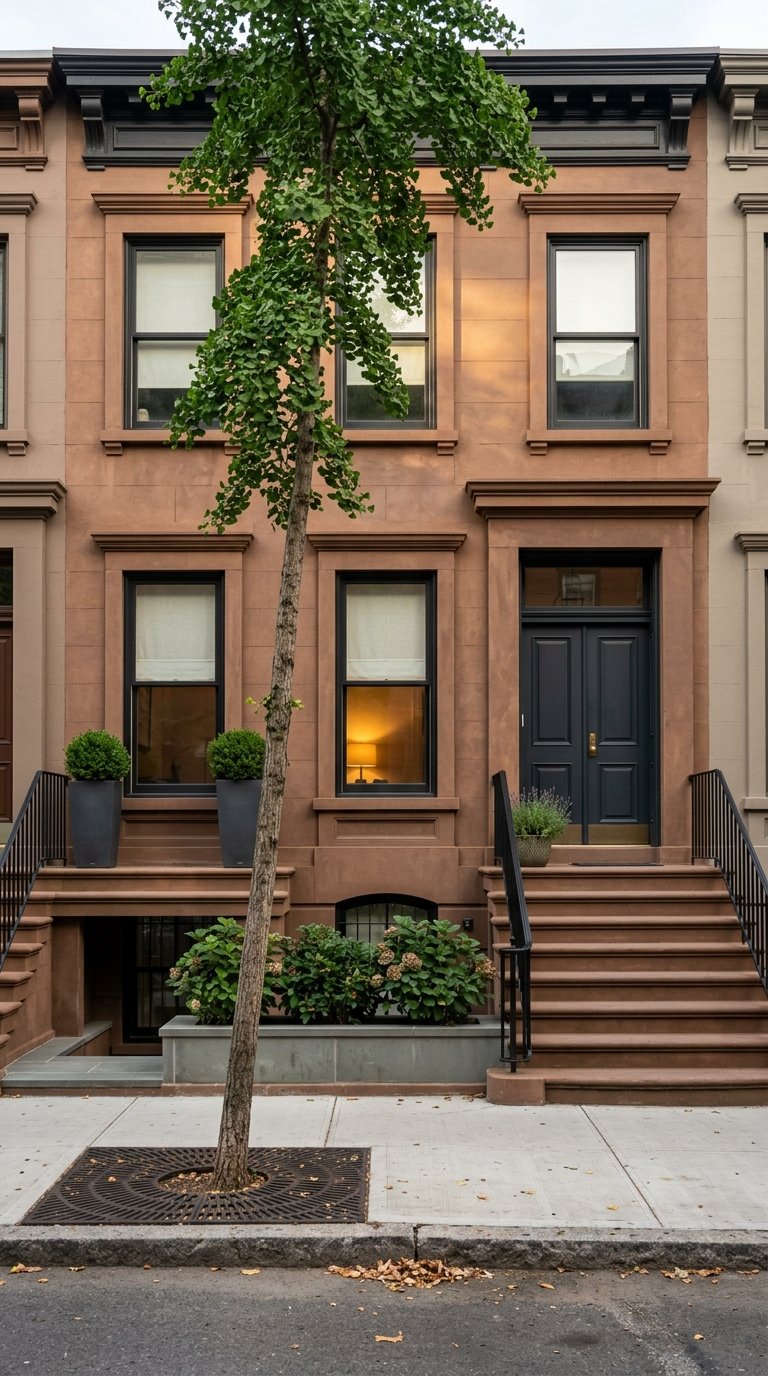
If you are selling a brownstone in Crown Heights, good prep can shape both your timeline and your leverage. This is not a market where you can simply list on charm alone and expect buyers to rush in. With the right pricing, focused updates, and strong presentation, you can showcase your home’s architectural character while staying grounded in today’s buyer expectations. Let’s dive in.
Understand the Crown Heights market
Crown Heights has a distinct appeal that goes beyond square footage. The neighborhood is known for its historic row houses, walkable blocks, local businesses, and major cultural anchors like the Brooklyn Museum, the Brooklyn Botanic Garden, and the Brooklyn Children’s Museum. That context matters when you market a brownstone because buyers are often shopping for both the home and the neighborhood experience.
At the same time, the numbers suggest a market that rewards strategy. Redfin’s Crown Heights housing data reported a February 2026 median sale price of $1.225 million, a median 126 days on market, and a 98.5% sale-to-list ratio. Only 7.4% of homes sold above list, which points to a market where buyers have options and sellers need to be realistic from day one.
Brooklyn-wide data tells a similar story. Douglas Elliman and Miller Samuel’s Q4 2025 Brooklyn report showed a median sale price of $1.18 million for 1-3 family homes, 73 days on market, and 2.9 months of supply. StreetEasy’s January 2026 report also reflected meaningful inventory across Brooklyn, reinforcing that buyers are taking time and comparing choices carefully.
Price your brownstone precisely
For a Crown Heights brownstone, pricing should start with the right comparables. That means looking at similar row houses and 1-3 family homes, not condos or broad neighborhood averages alone. A townhouse buyer is evaluating a very different product, with different value drivers, lifestyle tradeoffs, and maintenance expectations.
The most important pricing factors are usually concrete and specific:
- Width of the home
- Lot depth
- Overall condition
- Number of legal units
- Garden, yard, or roof access
- Architectural details and layout
- Whether the property is landmarked or otherwise protected
Because Crown Heights posted a longer median time on market than the broader Brooklyn 1-3 family segment, overpricing can create drag. It can lead to more days on market, more price reductions, and less negotiating power once buyers start to wonder why the home has lingered. A well-positioned listing can still beat the averages, but the first list price matters.
Focus on smart prep, not over-improvement
If you are deciding whether to do a light refresh or a major renovation, restraint often wins. The 2025 Remodeling Impact Report from NARI and NAR found that common seller recommendations included painting the entire home, painting a single room, and improving curb appeal. It also noted strong demand for kitchen upgrades and bathroom renovations, but that does not automatically mean a full overhaul is the best pre-sale move.
For most sellers, the better path is to improve what buyers see first and use most. In a brownstone, that may mean fresh paint, repaired trim, cleaner flooring transitions, updated lighting, and a more polished entry sequence. These updates help buyers focus on the scale, layout, and original features of the home instead of a list of distractions.
A practical pre-listing refresh often includes:
- Painting in a clean, neutral palette
- Repairing worn plaster or trim
- Refinishing or touching up visible woodwork where needed
- Replacing dated light fixtures if they compete with original details
- Deep cleaning kitchens and baths
- Improving stoop and front garden presentation
Stage to highlight original character
Brownstones sell best when buyers can clearly see both the architecture and how the home lives today. According to the 2025 NAR Profile of Home Staging, 29% of agents said staging increased dollar value offered by 1% to 10%, and 49% said it reduced time on market. The same report found that staging helps buyers visualize the property as a future home.
That is especially important in Crown Heights, where original staircases, moldings, mantels, high ceilings, and tall windows can be major selling points. But those features read best when the rooms feel bright, open, and edited. If your furnishings, storage, or décor compete with the architecture, buyers may miss what makes the home special.
The rooms that deserve the most attention are:
- Living room
- Primary bedroom
- Kitchen
- Dining room
Professional photography, video, virtual tours, and traditional staging all matter here. In a market where buyers are spending time comparing options, the listing presentation has to do more than document the house. It needs to tell a clear story about scale, light, flow, and character.
Declutter, clean, and simplify
Before listing, the most repeatable wins are often the simplest ones. Decluttering, deep cleaning, and curb appeal work because they make the home feel cared for and easier to understand. In a classic brownstone, they also help historic details stand out.
Try to simplify each room so buyers can read the proportions quickly. Clear surfaces, reduce bulky furniture, and remove items that block windows or crowd circulation paths. If you have a garden-level configuration, multiple units, or flex spaces, make sure each area has an obvious purpose so buyers do not have to guess how the home functions.
Handle landmark considerations early
Many Crown Heights brownstones sit in or near landmarked areas. The Crown Heights North designation report notes that the district includes more than 450 buildings, mostly built between the mid-19th century and the 1930s. If your home is in a historic district, exterior changes may be subject to review.
According to the NYC Landmarks Preservation Commission permit guidance, most exterior alterations in historic districts require review, while ordinary repairs such as replacing broken window glass, repainting to match the existing color, or caulking around windows and doors generally do not. If you are thinking about changing windows, railings, stoop elements, façade details, or the roofline before listing, it is smart to confirm the rules first.
In practical terms, historic character should usually be preserved and presented rather than stripped away. Buyers shopping for a Crown Heights brownstone are often drawn to the very details that make the property feel tied to the neighborhood’s architectural history.
Don’t overlook outdoor space
Outdoor space can add real appeal, especially in a townhouse setting. The 2025 NAR buyer trends report found that buyers value convenient parks and recreation, larger lots or acreage, and outdoor space for pets. In Crown Heights, that makes rear gardens, stoops, roof terraces, and even smaller outdoor nooks worth featuring with intention.
This does not mean you need a landscape redesign. It means the space should look usable, maintained, and easy to imagine enjoying. Sweep the stoop, trim overgrowth, define seating areas if appropriate, and photograph outdoor spaces when they look their best.
Time your listing prep thoughtfully
Timing starts earlier than most sellers expect. Zillow’s market guidance on timing says many sellers begin thinking about listing three to four months before going live, and that homes listed in the last two weeks of May sold for about 1.7% more on average nationally. Zillow also notes that Thursday tends to be the strongest day to list.
For a Crown Heights brownstone, the takeaway is less about chasing one exact date and more about preparing early enough to control the presentation. If your stoop, garden, trees, and natural light are part of the value story, you want your photography and launch timing to support that. Rushed prep tends to show.
Build a practical seller prep plan
If you want a cleaner, more market-savvy path to listing, use a simple framework:
Step 1: Assess the asset
Start with the fundamentals of the house itself. Review size, layout, legal use, condition, outdoor space, and architectural details. If landmark status or exterior rules may affect your options, clarify that before making changes.
Step 2: Set pricing from the right comps
Look at recent comparable brownstones and 1-3 family homes, not unlike property types. In a market with longer selling timelines, precision usually matters more than ambition.
Step 3: Choose high-impact updates
Prioritize paint, repairs, lighting, cleaning, and curb appeal. Save major projects for cases where they are truly necessary and likely to improve buyer confidence.
Step 4: Stage for clarity
Make the home feel spacious, bright, and functional. Highlight the living room, primary bedroom, kitchen, and dining area first.
Step 5: Launch with strong marketing
Professional visuals are essential. The goal is to present your brownstone as a distinctive Crown Heights property with authentic architecture, useful outdoor space, and a clear value proposition in today’s market.
Selling a brownstone in Crown Heights is rarely about doing everything. It is about doing the right things in the right order, with a pricing and presentation strategy that fits the market you are in now. If you want thoughtful guidance on how to position your home, connect with Howard Hanna NYC (Elegran) for a calm, data-aware approach tailored to your property.
FAQs
What is the biggest pricing mistake when selling a Crown Heights brownstone?
- The most common issue is pricing from emotion or from unlike property types instead of using comparable brownstones and 1-3 family homes.
Which updates matter most before listing a Crown Heights townhouse?
- High-impact basics usually matter most, including painting, decluttering, deep cleaning, curb appeal, and repairs that make the home feel well maintained.
Does staging help when selling a historic brownstone in Crown Heights?
- Yes. NAR reported that staging can increase perceived value and reduce time on market, especially when it helps buyers focus on layout, light, and original details.
Should you renovate before selling a Crown Heights brownstone?
- Not always. A light refresh is often the more practical move, especially when the goal is to improve presentation without overspending on major work.
Do landmark rules affect brownstone prep in Crown Heights?
- They can. If your home is in a historic district, many exterior changes may require review, so it is important to check LPC guidance before starting visible exterior work.
When should you start preparing to sell a Crown Heights brownstone?
- A good rule of thumb is to begin planning several months before listing so you have time to handle repairs, staging, photography, and timing without rushing.