Buying on the Lower East Side can feel exciting and a little hard to decode at the same time. You may be comparing a charming prewar co-op to a newer condo with amenities, only to realize the rules, costs, and timelines are very different. If you want to understand what really separates co-ops and condos on the LES, this guide will help you compare pricing, ownership structure, monthly costs, approval timelines, and due diligence steps with more confidence. Let’s dive in.
Lower East Side housing at a glance
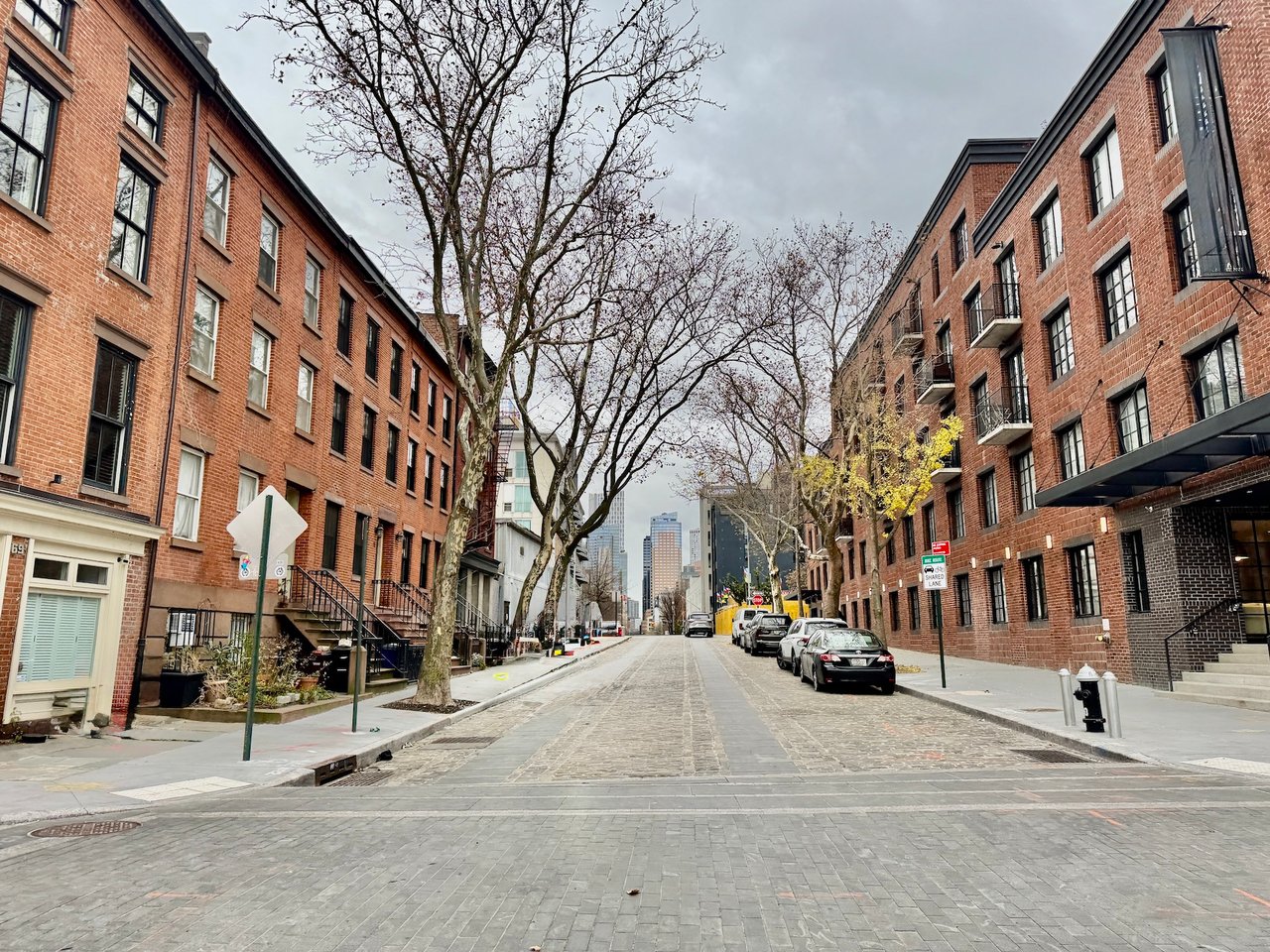
The Lower East Side offers a wide mix of housing types, but the neighborhood still leans heavily toward older apartment stock. Typical inventory often includes tenement-style walk-ups, renovated prewar co-ops, and newer condos with more modern finishes and amenity packages.
That mix matters because your buying experience can change a lot from one building to the next. On the LES, the question is often not just co-op or condo, but also older walk-up or newer amenity building, flexibility or lower entry price, and simple process or stricter approval.
Market snapshots also show that the LES sits in a distinct middle ground compared with nearby neighborhoods. PropertyShark’s March 2026 data puts the Lower East Side at a median sale price of $980,000 and $1,628 per square foot, while Nolita trends higher and Two Bridges trends lower, though those nearby monthly figures are best read as directional because of small transaction counts.
LES co-ops vs condos on price
If you are starting with budget, co-ops often look more approachable on paper. In PropertyShark’s March 2026 snapshot, the Lower East Side condo median was $1.1 million, compared with $970,000 for co-ops.
That lines up with a broader NYC pattern. Co-ops are generally about 15% to 20% less expensive than comparable condos, which is one reason many buyers begin their search there.
Still, purchase price is only part of the story. A lower sticker price can come with stricter financial requirements, more rules, and monthly fees that are structured differently from a condo.
Ownership works differently
What you own in a co-op
When you buy a co-op, you are not purchasing real property in the same way you would with a condo. You are buying shares in the co-op corporation, along with a proprietary lease that gives you the right to live in the unit.
That structure shapes everything from board approval to monthly charges. It also helps explain why co-op buildings often have more detailed rules around subletting, pieds-à-terre, renovations, and financial qualifications.
What you own in a condo
When you buy a condo, you own the unit itself. You also share ownership of common areas through the condominium structure, which is why you pay common charges for building operations and shared systems.
For many buyers, that ownership model feels more straightforward. It also tends to come with more flexibility, which can matter if you want fewer occupancy restrictions or a simpler resale process later on.
Monthly costs are not apples to apples
One of the biggest mistakes buyers make is comparing only the asking price. On the Lower East Side, you need to compare the total monthly carrying cost of each option.
In a co-op, your monthly maintenance typically covers building operating costs, property taxes, and sometimes an underlying mortgage. In a condo, you usually pay common charges plus your real estate taxes separately.
That means a co-op can look cheaper to buy but more expensive month to month. A condo may come with a higher purchase price and higher closing costs, but the monthly structure can feel more transparent when you review the numbers line by line.
Approval timelines can shape your search
What to expect with co-op approval
On the LES, co-op approval is often the biggest procedural hurdle. Buyers usually need to submit a detailed board package, meet strict financial qualifications, and complete an interview before getting the final green light.
That process can take several weeks and, in some cases, several months. Starting July 28, 2026, New York City Local Law 58 adds timing rules for larger co-ops, requiring acknowledgment within 15 days and a decision within 45 days after a complete application, with limited exceptions.
If you are working with a lease end, rate lock, relocation timeline, or school-year move, those timing variables matter. A co-op purchase can still be the right fit, but you should go in expecting more paperwork and less predictability.
What to expect with condo approval
Condos are generally simpler. In many cases, the condo board only has a right of first refusal, and that is commonly waived.
A 2026 NYC buyer guide estimates about 60 to 90 days for a cash condo closing and about 90 to 120 days for financed purchases. That faster path is one reason some LES buyers choose condos even when the upfront price is higher.
Closing costs can be very different
Closing costs are another area where co-ops and condos diverge quickly. In Manhattan, StreetEasy estimates that a co-op under $1 million may cost about $5,000 to $8,000 to close, while a condo can cost about $20,000, largely because condos involve more title-related fees.
You should also budget for transfer taxes and other transaction costs. New York City’s real property transfer tax is 1% up to $500,000 and 1.425% above that, and New York State’s mansion tax is 1% on residential transfers of $1 million or more.
If you are financing, there is also a state mortgage recording tax on recorded mortgages. This is why two properties with similar asking prices can produce very different cash-to-close numbers.
The building matters more than the label
It is easy to talk about co-ops and condos as if each category behaves the same way. On the Lower East Side, that can be misleading.
A well-run older co-op may offer more value and stability than a condo with weaker financials. A newer condo with strong documents and clear reserve planning may be a better fit than a charming walk-up that needs major systems work.
The New York State Attorney General recommends reading the full offering plan and consulting an attorney before signing a purchase agreement. For new development, the offering plan, not marketing language, controls what a sponsor is actually obligated to deliver.
For existing buildings, it is smart to review board minutes, recent financial reports, current violations, and the physical condition of major systems. Expensive surprises often come from facade, roof, elevator, plumbing, electrical, or boiler issues.
Key questions to ask on the LES
Because LES inventory spans older walk-ups, prewar co-ops, and newer condos, your due diligence should be building-specific. A few focused questions can tell you much more than the listing description.
Ask about financial health
You will want to understand:
- The size of the building’s reserve fund
- Whether there are current or planned assessments
- Whether a co-op has an underlying mortgage
- Whether monthly charges reflect the real total cost of ownership
A lower monthly number does not always mean lower risk. Sometimes it can signal underfunded reserves or deferred work.
Ask about rules and flexibility
Building rules can affect how you live in the home and how easy it will be to hold or sell later. On the LES, ask specifically about:
- Sublet rules
- Pied-à-terre policies
- Renovation policies
- Pet rules
- Any limits tied to board approval or occupancy
These are practical lifestyle questions, not small-print details. They can have a major impact on whether a building fits your plans.
Ask about physical condition
Before closing, the Attorney General advises buyers to inspect plumbing, heating and cooling, windows, walls, ceilings, and appliances. If repairs are promised after closing, those commitments should appear in the closing documents.
This matters even more in older LES buildings, where prewar charm can come with aging infrastructure. A beautiful apartment is only part of the purchase. The building behind it matters just as much.
What many LES buyers choose
If your priority is a lower entry price and you are comfortable with a more involved approval process, a co-op may be a strong fit. This can be especially appealing if you are buying a primary residence and do not need much flexibility.
If your priority is a more straightforward ownership structure, faster closing path, or newer amenities, a condo may feel worth the premium. On the Lower East Side, that often means paying more upfront for convenience and flexibility.
In practice, many buyers are not choosing between a generic co-op and condo. They are choosing between two very different buildings with different finances, rules, layouts, and long-term costs.
A smart way to compare options
When you tour LES listings, try using a simple decision framework instead of focusing on price alone. Compare each property across the same categories so you can make a cleaner decision.
Consider these five factors:
- Purchase price
- Total monthly carrying cost
- Approval timeline and complexity
- Building rules and flexibility
- Building financials and physical condition
That framework helps you compare homes on an apples-to-apples basis. It also makes it easier to spot when a lower-priced listing may actually be the more expensive or restrictive choice over time.
The Lower East Side offers real variety, which is part of what makes the neighborhood so compelling. Whether you lean toward a classic co-op or a modern condo, the best outcome usually comes from understanding the building as deeply as the apartment itself.
If you want help comparing LES co-ops and condos, reviewing monthly cost tradeoffs, or making sense of building-level due diligence, connect with Howard Hannah NYC (Elegran) for a more informed next step.
FAQs
What is the price difference between Lower East Side co-ops and condos?
- In PropertyShark’s March 2026 snapshot, the Lower East Side condo median was $1.1 million and the co-op median was $970,000, with co-ops generally tending to cost less than comparable condos.
What are the monthly cost differences for Lower East Side co-ops and condos?
- Co-op monthly maintenance often covers operating costs, property taxes, and sometimes an underlying mortgage, while condo owners usually pay common charges plus separate real estate taxes.
How long does Lower East Side co-op board approval take?
- Co-op approval can take several weeks or, in some cases, several months because it often involves a detailed board package, strict financial review, and an interview.
How long does a Lower East Side condo closing usually take?
- A 2026 NYC buyer guide estimates about 60 to 90 days for a cash condo closing and about 90 to 120 days for financed condo purchases.
What should buyers review before purchasing a Lower East Side co-op or condo?
- Buyers should review the offering plan when applicable, board minutes, financial reports, violations, reserve funds, assessments, underlying mortgage information for co-ops, and the condition of major building systems and in-unit components.
Are Lower East Side condos always better than co-ops?
- Not necessarily. Condos often offer more flexibility and a simpler process, while co-ops may offer a lower purchase price, so the better choice depends on your budget, timeline, and building-specific goals.