If you want a neighborhood that feels greener and calmer without giving up New York City access, Forest Hills deserves a serious look. It offers a rare middle ground in Queens: apartment living, historic streets, local shopping, and strong transit in one place. Whether you are buying your first co-op, comparing condos, or searching for a house with more breathing room, understanding how Forest Hills is layered can help you make a smarter move. Let’s dive in.
Why Forest Hills Stands Out
Forest Hills is often described as a neighborhood that sits between urban and suburban living. Queens Community Board 6 notes that it includes both low- and high-density housing, with rental, co-op, and condominium complexes as well as distinct shopping areas. In practical terms, that means your daily experience can vary a lot depending on the block and building type you choose.
That mix is part of the appeal. You can find apartment-oriented corridors with easy access to shops and transit, quieter residential streets, and the well-known Forest Hills Gardens area with its planned layout and historic character. For many buyers, that variety makes Forest Hills feel more flexible than neighborhoods with only one housing style.
Forest Hills Gardens and Beyond
The history shapes the feel
Forest Hills began taking shape in 1906 when Cord Meyer bought 600 acres of farmland and renamed the area. The signature subarea, Forest Hills Gardens, was planned in 1909 by Frederick Law Olmsted Jr. and Grosvenor Atterbury as a 142-acre suburban-style community. Its curving streets, shopping village edge, Station Square, and Flag Pole Green still help define the neighborhood’s identity today.
The Gardens includes more than 800 single-family homes, townhouses, and garden apartment buildings. It is managed by the Forest Hills Gardens Corporation, which adds another layer of distinction compared with the rest of the neighborhood. If you are exploring Forest Hills, it helps to think of the Gardens as one important part of a larger housing landscape, not the whole story.
Forest Hills is not one housing market
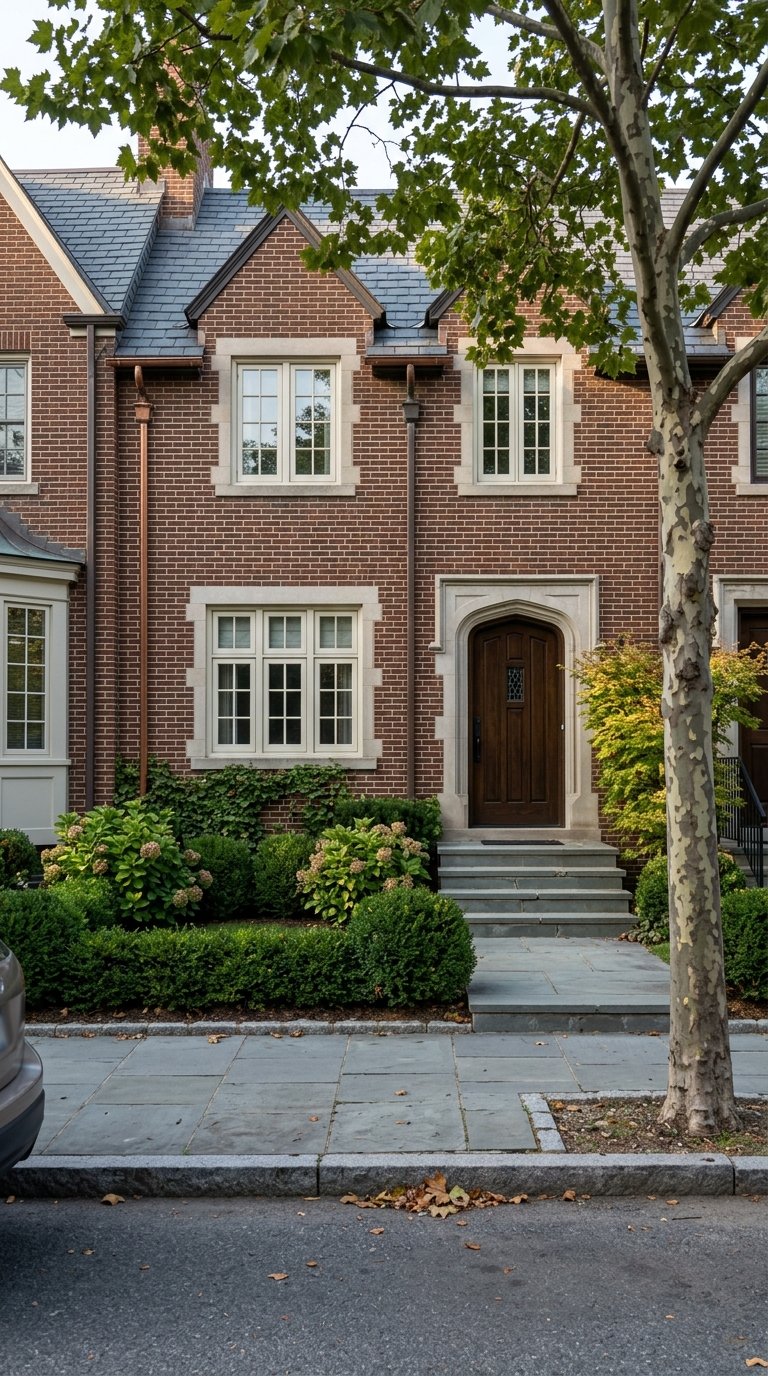
Outside the Gardens, Forest Hills includes many rental, co-op, and condominium apartment complexes. The neighborhood also has prewar co-ops, wood-frame houses with garages, and larger Tudor-style homes. That range means two homes with the same ZIP code can offer very different ownership costs, rules, and day-to-day lifestyles.
For buyers, this is where local guidance matters. A co-op search calls for a different decision process than a condo or house search, especially when you factor in monthly carrying costs, financing terms, and building-specific requirements. In Forest Hills, the property type can matter just as much as the address.
What Buying in Forest Hills Looks Like
StreetEasy’s neighborhood snapshot shows a median sale price of $429,000 and a median base rent of $2,800. Those figures are useful as broad context, but they should not be treated like one-size-fits-all pricing. Forest Hills spans several submarkets, so values can move meaningfully based on the building, block, and housing type.
If you are comparing Forest Hills to other outer-borough neighborhoods, it helps to narrow your search by lifestyle first. Ask yourself whether you want a co-op with established prewar character, a condo with more ownership flexibility, or a house with more private space. That framework often gives you better clarity than starting with geography alone.
A practical buyer checklist
Before you focus only on list price, pay attention to the details that shape real affordability and fit:
- Building type: co-op, condo, rental-style apartment building, or house
- Monthly costs: maintenance, common charges, and other recurring expenses
- Transit access: proximity to subway or LIRR service
- Street setting: busier shopping corridor or quieter residential block
- Property rules: building policies and approval requirements where applicable
- Daily routine: how often you will use parks, shopping streets, and commuter connections
City Access Is a Big Part of the Appeal
One of Forest Hills’ strongest advantages is transit. Forest Hills-71 Av is served by the E, F, M, and R trains, and the MTA lists it as a full accessible station. The E runs express in Queens except late nights, which helps explain why the neighborhood is often seen as a strong option for Midtown access.
Forest Hills also has Long Island Rail Road service. MTA fare materials place Forest Hills in the same city-terminal zone as Penn Station and Grand Central Madison, giving you another useful rail option for reaching Midtown. For buyers who want Manhattan access without living in Manhattan, that can be a meaningful advantage.
Who benefits most from the commute setup
The transit story is strongest if your routine is tied to Midtown or if you simply want flexibility between subway and commuter rail. It may be less compelling if your priority is the shortest possible trip to Downtown Manhattan. StreetEasy also notes that the neighborhood has relatively limited nightlife, so Forest Hills tends to fit buyers who value convenience and calm over a late-night urban rhythm.
Parks, Shopping, and Everyday Rhythm
Green space is a major part of daily life in Forest Hills. Forest Park is the third largest park in Queens and includes 413 acres of native red and white oak forest. Flushing Meadows-Corona Park is even larger at 1,255 acres, with trails, sports facilities, and major cultural institutions.
For many buyers, this changes the feel of the neighborhood in a real way. Access to large parks can make a home search feel less like choosing an apartment alone and more like choosing a day-to-day routine. In Forest Hills, the streetscape and the nearby open space are part of the value proposition.
Retail streets give the area texture
Queens Community Board 6 highlights Austin Street and Continental Avenue for small shops, chain stores, and a range of restaurants. It also points to 108th Street as a local shopping area known for Russian specialties, while Metropolitan Avenue is known for specialty shops, restaurants, and antique stores. These corridors give Forest Hills a village-like structure that many buyers find easy to navigate.
The neighborhood also has street fairs, jazz concerts, cultural events, and a weekend Green Market. That kind of local programming can make a neighborhood feel active without feeling overwhelming. If you are looking for everyday convenience rather than a nightlife-first environment, Forest Hills has a strong case.
Forest Hills Stadium adds another layer
Forest Hills Stadium is a historic venue near both the Forest Hills LIRR station and the subway. The MTA notes that there is no parking available for the venue, which reinforces how transit-oriented the area is during event nights. For residents, that means cultural access is part of the neighborhood experience.
Who Forest Hills Fits Best
Forest Hills often works well for early-stage buyers, co-op or condo shoppers, and move-up buyers who want a more residential setting with established architecture and park access. It also suits people who want a plausible Manhattan commute while keeping some distance from a more intense city pace. If you like the idea of tree-lined blocks and neighborhood shopping, the area offers a strong balance.
It can also be a smart option if you care more about everyday livability than late-night activity. The neighborhood’s retail streets, transit choices, and varied housing stock create a practical, well-rounded experience. That balance is a big reason Forest Hills continues to stand out in Queens.
How to Evaluate Forest Hills Like a Smart Buyer
When you tour Forest Hills, try to evaluate it in layers rather than as one single neighborhood. Look at the housing type first, then the specific street, then the transit pattern that matches your routine. That approach helps you compare homes more accurately and avoid broad assumptions based on the neighborhood name alone.
A simple framework can help:
Focus on these three factors
Home type Compare co-ops, condos, and houses separately. In Forest Hills, they can function like different markets.
Micro-location Distinguish between the Gardens, apartment-heavy corridors, and quieter residential blocks. Each offers a different day-to-day feel.
Commute pattern Test how close you are to the E, F, M, and R trains or the LIRR based on where you actually go most often.
That process is especially useful if you are relocating or buying in Queens for the first time. Forest Hills rewards a more detailed, building-by-building search.
If you are weighing Forest Hills against other Queens or Manhattan-adjacent options, an advisor-led search can help you sort through co-op versus condo tradeoffs, building rules, and the practical value of each micro-area. When the neighborhood offers this many paths, clear guidance makes a difference. If you are ready to explore Forest Hills with a team that combines local NYC insight with a calm, process-driven approach, connect with Howard Hannah NYC (Elegran).
FAQs
What is Forest Hills in Queens known for?
- Forest Hills is known for its mix of residential housing types, tree-lined streets, strong transit access, local shopping corridors, large nearby parks, and the historic Forest Hills Gardens area.
What types of homes can you find in Forest Hills?
- Forest Hills includes co-ops, condos, rental buildings, wood-frame houses with garages, larger Tudor-style homes, and the distinct homes and garden apartments found in Forest Hills Gardens.
Is Forest Hills a good choice for commuting to Manhattan?
- Forest Hills can be a strong choice for Midtown commuters because Forest Hills-71 Av is served by the E, F, M, and R trains, and the neighborhood also has Long Island Rail Road access.
What makes Forest Hills Gardens different from the rest of Forest Hills?
- Forest Hills Gardens is a planned historic subarea with curving streets, distinct architecture, and a more private, garden-community feel than many other parts of Forest Hills.
Are home prices the same across Forest Hills?
- No. Forest Hills includes several different submarkets, so pricing can vary based on property type, building, location, and ownership structure.
Is Forest Hills more urban or suburban?
- Forest Hills offers a blend of both. It combines apartment living and active shopping streets with quieter residential blocks, greenery, and access to major parks.