If your workday starts in Manhattan but you want to live in Brooklyn, Downtown Brooklyn is one of the first places worth a serious look. It offers unusually strong subway access, a growing supply of newer homes, and a day-to-day setup built around convenience. If you are weighing commute time against lifestyle, price, and building options, this guide will help you decide whether Downtown Brooklyn fits the way you actually live. Let’s dive in.
Why Downtown Brooklyn Works for Commuters
For many Manhattan commuters, the biggest advantage is simple: access. StreetEasy describes Downtown Brooklyn as a rapidly expanding residential neighborhood with 13 subway lines, and trips to Downtown Manhattan can be as little as 10 minutes on the 2/3 or N/Q/R. That kind of transit density gives you options when your routine changes or service is delayed.
The neighborhood’s core station cluster includes Borough Hall, Jay St-MetroTech, and Hoyt-Schermerhorn. According to MTA line maps, these stations connect riders to the 2, 3, 4, 5, R, A, C, F, and G in key transfer points. In practical terms, that makes Downtown Brooklyn a flexible home base for Lower Manhattan, Midtown transfers, and trips across Brooklyn and Queens.
That redundancy matters more than many buyers expect. A neighborhood with one strong train can work well until there is a service issue, a late meeting, or a route change. Downtown Brooklyn stands out because you are not relying on a single line or station.
Commute Times and Daily Flexibility
If your office is in Lower Manhattan, Downtown Brooklyn is especially compelling. The shortest trips can land around the 10-minute mark, which puts the neighborhood in a very competitive position for anyone who wants to reduce time in transit without paying deeper Manhattan pricing.
If you commute to Midtown, the story is still strong, though the value is less about one headline travel time and more about route choice. With multiple stations and lines nearby, you can often piece together a smoother trip depending on where your office is and how you prefer to travel. That flexibility can make the neighborhood feel more practical over time.
The same logic applies if your schedule is not perfectly predictable. If you work hybrid, travel around the city for meetings, or split your time between Manhattan and other boroughs, Downtown Brooklyn can support that kind of movement better than many neighborhoods with a more limited transit map.
Bike Access Adds Another Option
Subway access gets most of the attention, but bike infrastructure is another real plus here. NYC DOT says the Schermerhorn Street redesign created a two-way protected bike lane and 1.2 miles of protected bike lanes, improving connections between the East River bridges, South Brooklyn, and downtown Manhattan.
DOT also says the Flatbush Avenue redesign through Downtown Brooklyn added bus priority and bike parking. For you, that means the neighborhood is not just subway-friendly. It is also increasingly built for mixed commuting patterns, whether you bike full time or just want another option on good-weather days.
What the Housing Stock Feels Like
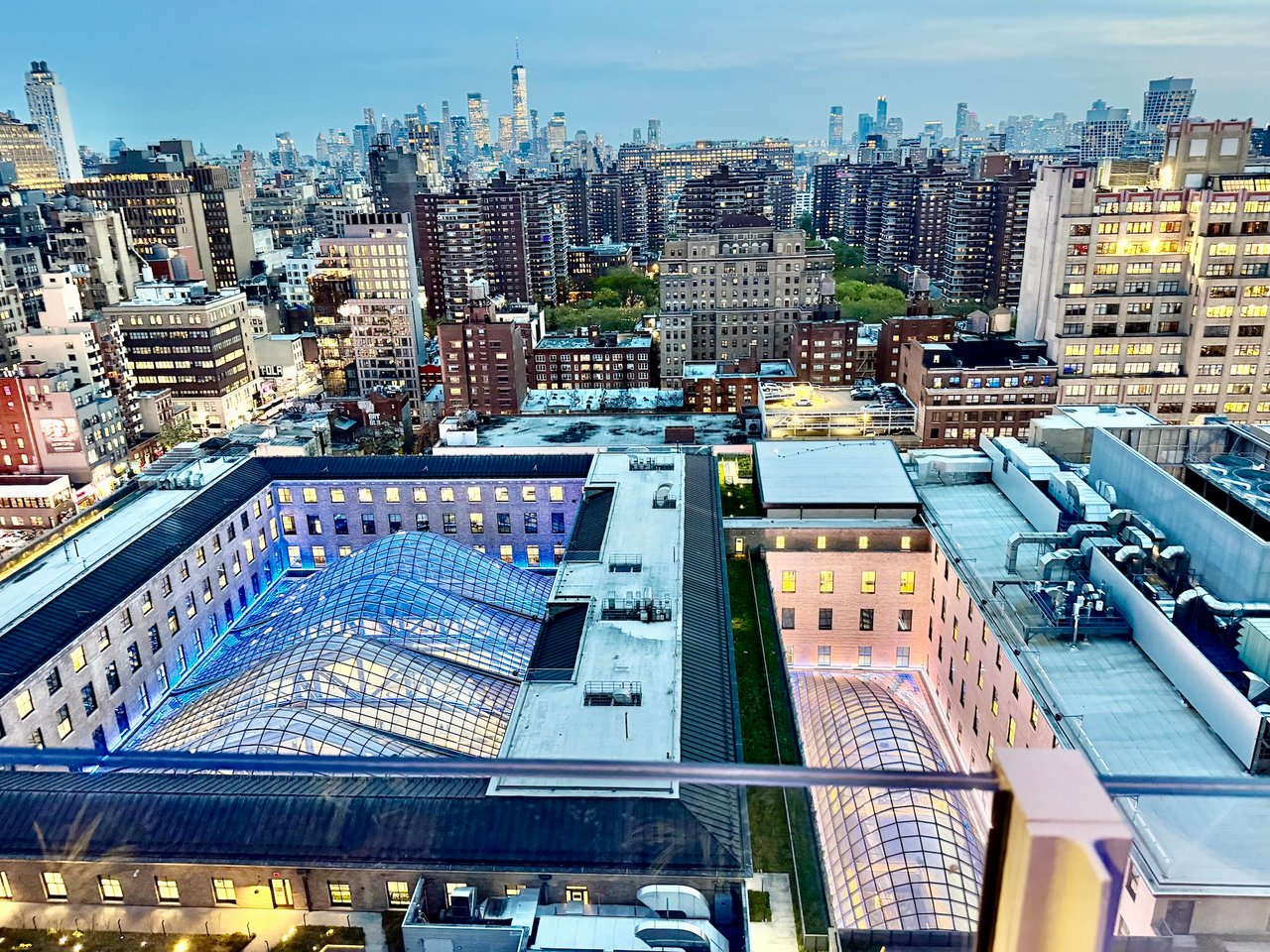
Downtown Brooklyn is not the Brooklyn of stoops, small blocks, and mostly low-rise brownstones. StreetEasy describes it as a mix of glassy apartment towers and mid-century office buildings, with luxury rentals and condos concentrated in newer towers. If you like modern buildings and straightforward amenity packages, that can be a major advantage.
This is one of the neighborhood’s clearest differentiators. In nearby areas, inventory may skew more heavily toward brownstones, walk-ups, or older building stock. In Downtown Brooklyn, you are more likely to find newer layouts, full-service buildings, and amenities that are easier to compare from listing to listing.
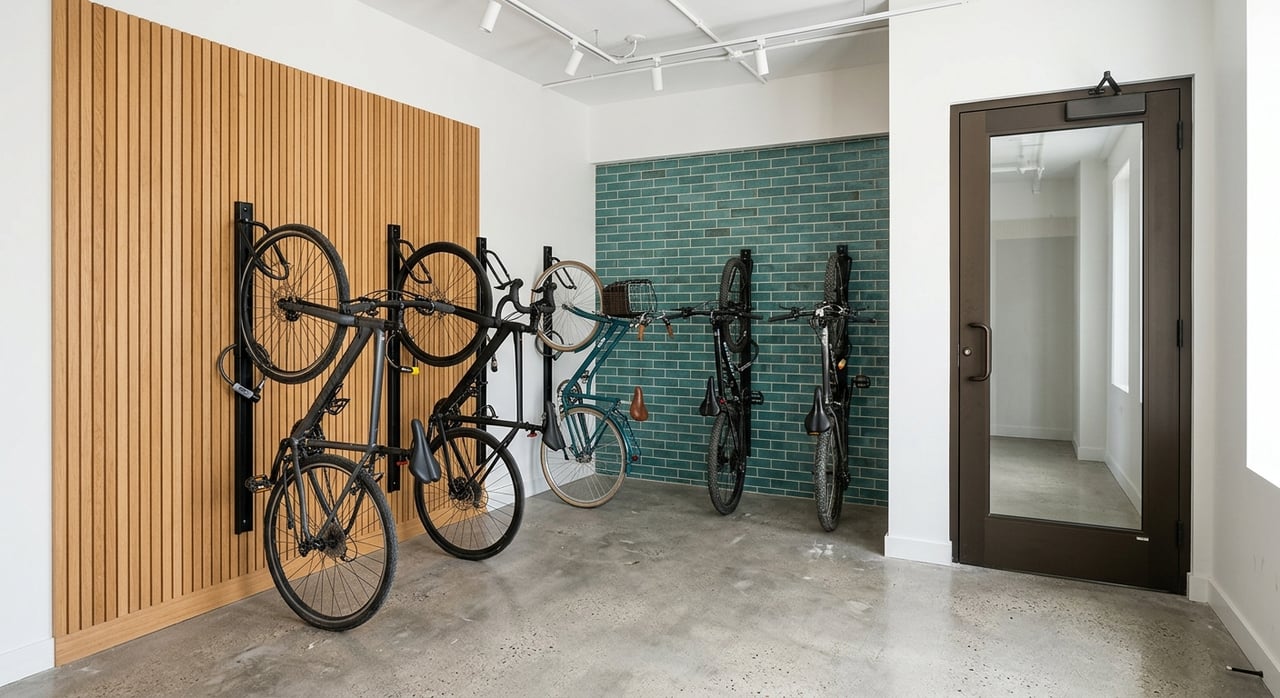
That newer-building profile often appeals to busy professionals and relocation clients who want a more predictable living experience. Features like a doorman, concierge, bike room, fitness spaces, or parking can simplify daily life in ways that matter when your weekdays are already full.
Amenity-Rich Living: The Tradeoff
Some of Downtown Brooklyn’s recent development highlights where the market has been heading. 11 Hoyt, completed in 2020, offers more than 55,000 square feet of indoor and outdoor amenities, along with services such as a concierge, doorman, bike room, and parking. Brooklyn Tower, completed in 2022, includes nearly 80,000 square feet of wellness-focused amenities.
The practical takeaway is not that every building will look like those examples. It is that Downtown Brooklyn often gives you access to a newer, more service-oriented style of housing than many nearby neighborhoods. For some buyers and renters, that convenience is the point.
The tradeoff is equally important. Much of the neighborhood feels more vertical and commercial than nearby brownstone districts, and it offers less green space than places like Brooklyn Heights or Cobble Hill. If your ideal Brooklyn experience is quieter, lower-scale, and more historic in feel, Downtown Brooklyn may not be your best match.
How Prices Compare
Downtown Brooklyn sits in an interesting middle ground. StreetEasy shows a median sale price of $1.1 million and a median base rent of $4,450 for the neighborhood. That places it below some nearby high-demand areas on the ownership side, while still reflecting a premium for convenience and newer product.
Here is how the research compares nearby neighborhoods and Manhattan hubs:
| Area | Median Sale / Asking | Median Rent |
|---|---|---|
| Downtown Brooklyn | $1.1M to $1.15M | about $4,448 to $4,450 |
| Brooklyn Heights | $1.3M | $4,500 |
| Fort Greene | $1.7M | $4,500 |
| DUMBO | $1.7M | $5,795 |
| Financial District | $1.1M | $4,695 |
| Midtown | $1.8M | $5,000 |
For buyers, that means Downtown Brooklyn can offer a path to newer condo inventory without jumping to some of the higher pricing seen in Brooklyn Heights, Fort Greene, DUMBO, or Midtown. For renters, the neighborhood is not inexpensive, but it can still look relatively practical when you compare it to some Manhattan commuter alternatives.
Downtown Brooklyn vs Nearby Alternatives
If you are trying to narrow your search, it helps to think in terms of priorities rather than trying to crown one neighborhood as best.
Choose Downtown Brooklyn for convenience
Downtown Brooklyn is strongest if you want broad subway access, newer buildings, and a practical daily setup. It is less about classic charm and more about ease, inventory, and commute flexibility.
Consider Brooklyn Heights for a quieter feel
Brooklyn Heights offers strong subway access too, but StreetEasy notes it is one of the city’s more expensive neighborhoods. If you want a more intimate residential feel and are comfortable with the price difference, it may be worth considering.
Consider Fort Greene for brownstone character
Fort Greene skews more toward brownstones and walk-ups, with fewer large apartment buildings. If architectural character matters more to you than amenity-heavy tower living, that may be the better fit.
Consider DUMBO for scenery
DUMBO is more scenic and warehouse-chic, but StreetEasy notes that everyday amenities are thinner and transit is more limited, centered on the F train. It can be visually striking, but less practical for some daily commuters.
Who Should Seriously Consider Downtown Brooklyn
Downtown Brooklyn is best for Manhattan commuters who care most about three things: short trips to Lower Manhattan, strong transit backup options, and access to newer buildings. If you want modern layouts, building amenities, and a neighborhood where convenience is built into the environment, it deserves a place near the top of your list.
It can also work well if you are relocating and want a more legible entry point into Brooklyn. Newer buildings often make it easier to compare services, layouts, and monthly costs. That can reduce decision fatigue when you are moving on a tight timeline.
When It May Not Be the Right Fit
Downtown Brooklyn may be less appealing if you want a distinctly quiet, low-rise, park-oriented setting. The neighborhood’s commercial core and vertical feel are part of what make it convenient, but those same qualities can be a drawback if you are hoping for a calmer residential atmosphere.
You may also want to look elsewhere if historic brownstone character is central to your search. Downtown Brooklyn offers a different kind of value proposition. It is about access, modernity, and ease of use more than romantic neighborhood texture.
A Quick Decision Framework
If you are still unsure, use this simple checklist.
Downtown Brooklyn may be right for you if:
- You work in Lower Manhattan and want a very short trip
- You want multiple subway options rather than one main line
- You prefer newer condos or rentals over older housing stock
- You value amenities like doorman service, bike storage, or wellness spaces
- You want practical, easy-to-compare inventory
You may want to broaden your search if:
- You want more green space nearby
- You prefer quieter, more residential streets
- You are focused on brownstones or low-rise homes
- You care more about scenic charm than transit redundancy
The Bottom Line for Manhattan Commuters
Downtown Brooklyn is a strong choice if your version of home starts with convenience. The neighborhood combines fast access to Manhattan, deep subway connectivity, and a housing mix that leans modern, service-oriented, and commuter-friendly. It may not deliver the calmest or most traditionally charming Brooklyn atmosphere, but for many buyers and renters, the trade is worth it.
If you are comparing Downtown Brooklyn with Brooklyn Heights, Fort Greene, DUMBO, or Manhattan neighborhoods, the right answer usually comes down to how you rank commute time, building style, and day-to-day ease. A clear strategy can make that decision much simpler. If you want help weighing those tradeoffs, Howard Hannah NYC (Elegran) can guide you through the options with a practical, neighborhood-specific approach.
FAQs
Is Downtown Brooklyn good for commuting to Manhattan?
- Yes. StreetEasy says Downtown Brooklyn has 13 subway lines, and trips to Downtown Manhattan can be as little as 10 minutes on the 2/3 or N/Q/R.
What makes Downtown Brooklyn appealing to Manhattan commuters?
- Its biggest strengths are dense subway access, strong transfer options, newer housing stock, and a convenience-focused neighborhood setup.
Are there many new condos and rentals in Downtown Brooklyn?
- Yes. The research shows Downtown Brooklyn’s housing stock is heavily tilted toward newer condo and rental buildings, especially modern towers with service and amenity packages.
How does Downtown Brooklyn compare with Brooklyn Heights for commuters?
- Downtown Brooklyn generally offers more newer inventory and a more commercial, convenience-driven feel, while Brooklyn Heights offers a more intimate residential setting at higher sale pricing.
Is Downtown Brooklyn better than DUMBO for daily commuting?
- It can be more practical for many commuters because the research points to broader transit access in Downtown Brooklyn, while DUMBO is noted as having more limited train access.
What are the tradeoffs of living in Downtown Brooklyn?
- The main tradeoffs are a more vertical, commercial feel and less green space than some nearby neighborhoods with more low-rise or brownstone character.